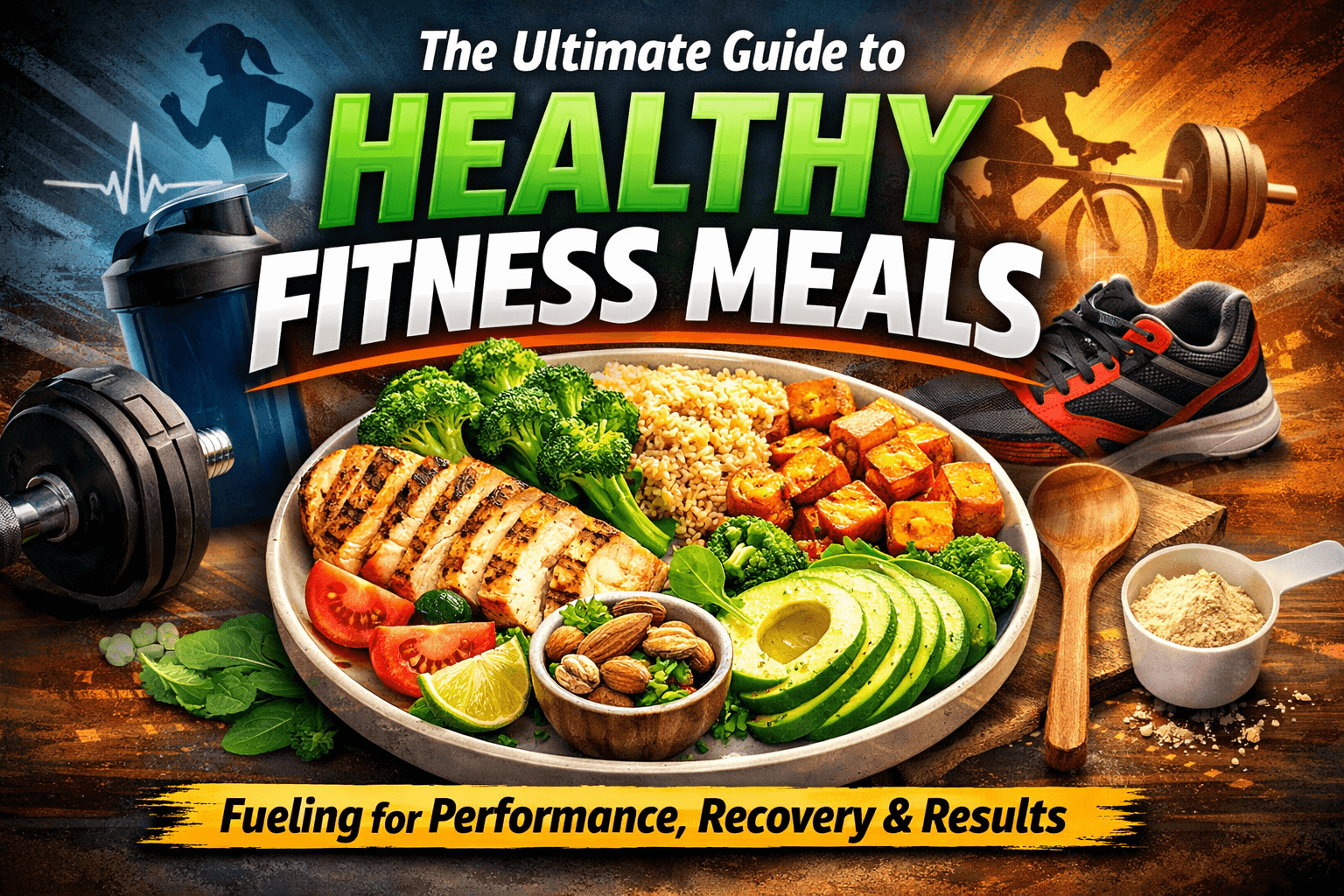
Forget “clean eating.” That phrase is vague, moralizing, and often useless for real performance. High-level fitness nutrition is about fueling, not restriction. Food is information. Food is energy. Food is recovery.
At its core, performance nutrition is about metabolic flexibility—your body’s ability to efficiently switch between carbohydrates and fats depending on demand. Sprinting, lifting, and high-intensity intervals demand fast-access carbs. Long workouts, rest days, and daily movement rely more heavily on fats. A smart fitness plate trains your metabolism to use both.
Healthy fitness meals aren’t about perfection; they’re about context. What you eat should reflect what you’re asking your body to do. Train hard? Fuel hard. Recover deeply? Feed recovery. Chase aesthetics, strength, or endurance? Your plate changes slightly—but the foundation stays the same.
Think like this:
You don’t eat “healthy food.”
You eat performance-aligned meals.
The Anatomy of a Fitness Meal: The Big Three That Drive Results
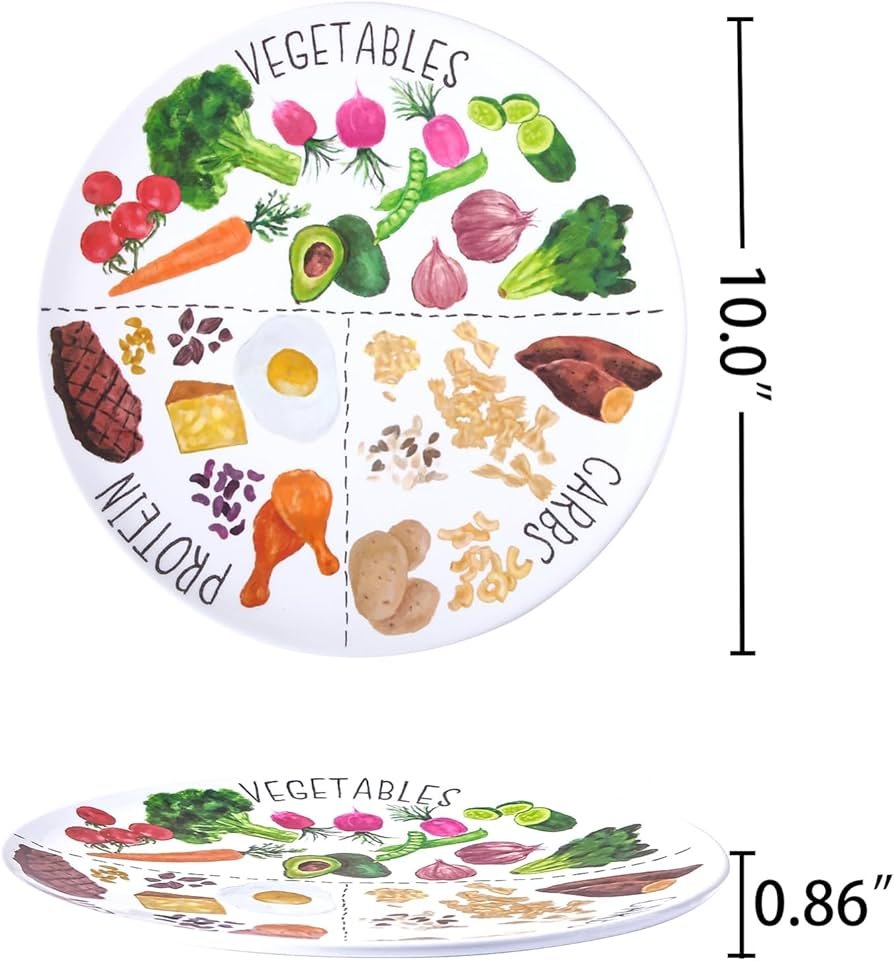
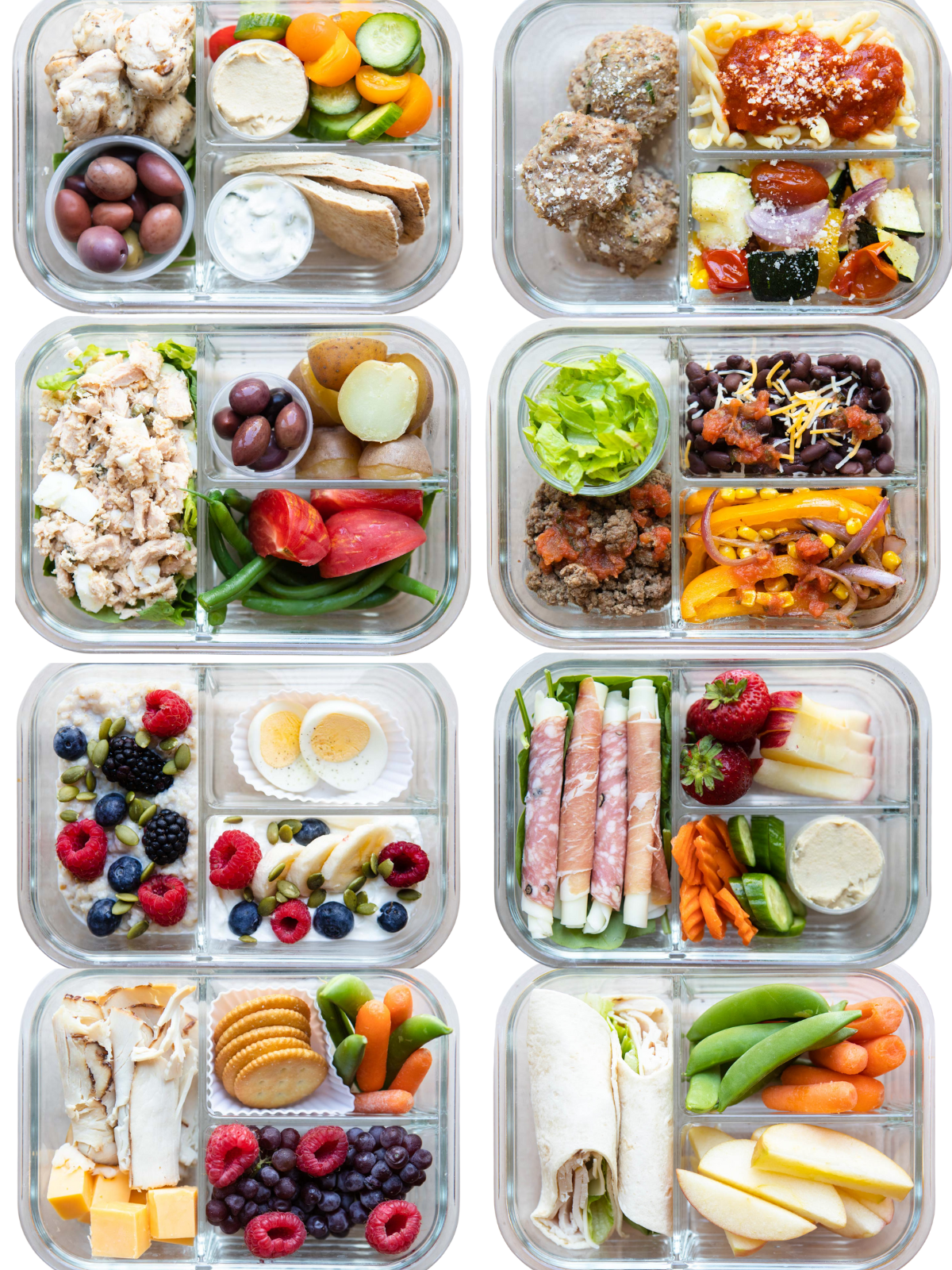
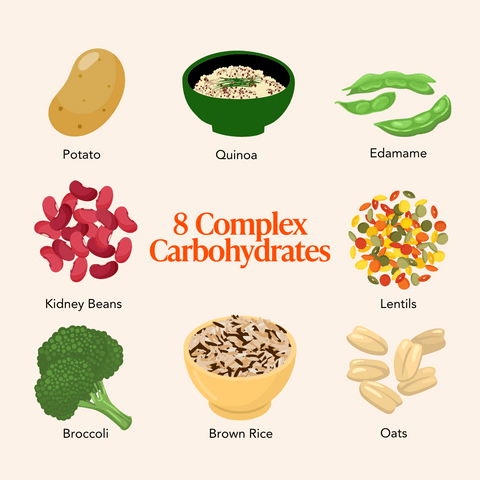

Every effective fitness meal is built around three macronutrient pillars. Master these, and you can build meals anywhere—from a home kitchen to an airport café.
Protein: The Recovery and Remodeling Trigger
Protein isn’t just about quantity; it’s about quality and timing.
High-quality proteins are defined by bioavailability—how efficiently your body digests and uses them—and their leucine content. Leucine is the amino acid that flips the switch on muscle protein synthesis (MPS).
Most people need 20–40g of high-quality protein per meal to hit the leucine threshold that maximally stimulates MPS.
Best-in-class protein sources:
- Eggs and egg whites
- Greek yogurt and skyr
- Whey or blended plant protein
- Lean poultry, fish, tofu, tempeh
Pro Tip: More protein is not better if you’re under-eating carbs. Muscle is built with energy, not amino acids alone.
Complex Carbs: The Performance Accelerator
Carbs are not the enemy. Poor carb strategy is.
The key distinction is glycemic index (GI) vs glycemic load (GL). GI measures how fast a food raises blood sugar in isolation. GL accounts for portion size and real-world impact. Fitness nutrition cares far more about GL.
Complex carbs provide:
- Muscle glycogen
- Training intensity
- Hormonal support (yes, carbs matter for hormones)
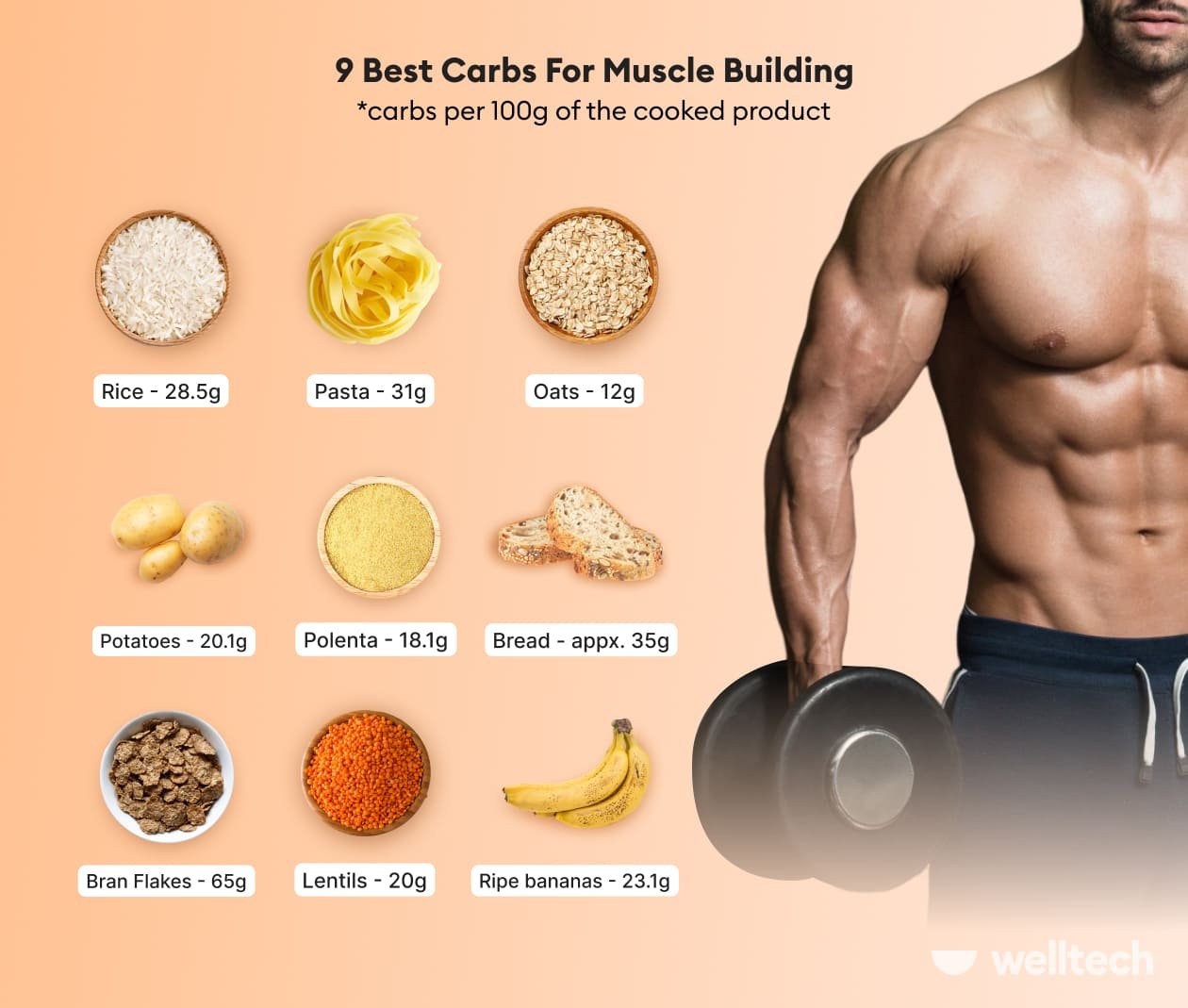
Smart carb sources:
- Oats, rice, quinoa, potatoes
- Beans and lentils
- Fruit paired with protein or fats
Pro Tip: Carbs work best when paired with protein. This improves glycogen storage and blunts blood sugar spikes.
Healthy Fats: Hormones, Joints, and Absorption
Dietary fat isn’t optional—it’s essential.
Healthy fats support:
- Testosterone and estrogen balance
- Vitamin absorption (A, D, E, K)
- Joint health and inflammation control
Focus on unsaturated fats:
- Olive oil
- Avocado
- Nuts and seeds
- Fatty fish
Pro Tip: Fats slow digestion. Great for satiety at dinner, less ideal right before intense training.
Meal Timing for Performance: When Matters, But Not How You Think
Pre-Workout Fuel: Fast, Light, Effective
The goal before training is accessible energy, not fullness.
Ideal pre-workout structure:
- Fast-digesting carbs
- Moderate protein
- Low fat, low fiber
Examples:
- Banana + Greek yogurt
- Toast + eggs
- Oats + whey
Eat 60–120 minutes before training when possible.
Post-Workout Nutrition: The Anabolic Window, Reframed
The “30-minute anabolic window” is overstated. What matters more is total daily protein and carbs.
That said, post-workout meals still matter for:
- Glycogen replenishment
- Muscle repair
- Nervous system recovery
Aim for:
- 25–40g protein
- Moderate-to-high carbs
- Minimal fat immediately post-workout
Pro Tip: If you trained fasted, prioritize post-workout nutrition sooner.
Goal-Specific Meal Blueprints: Build the Plate With Intent
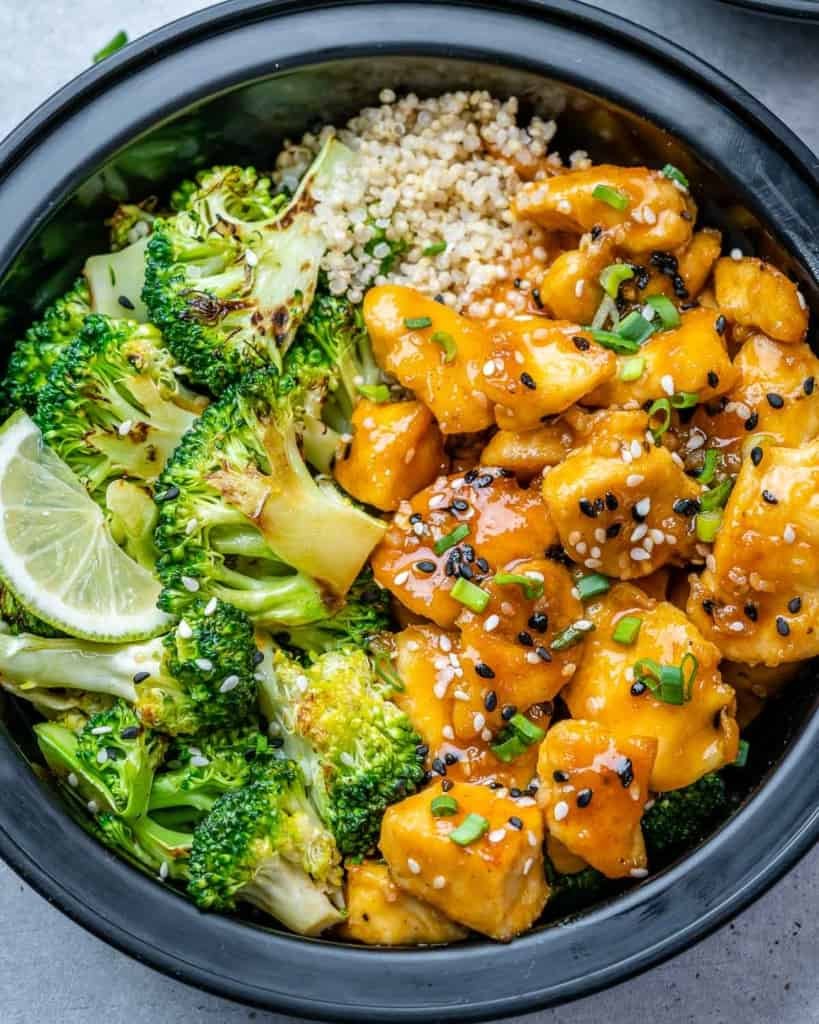
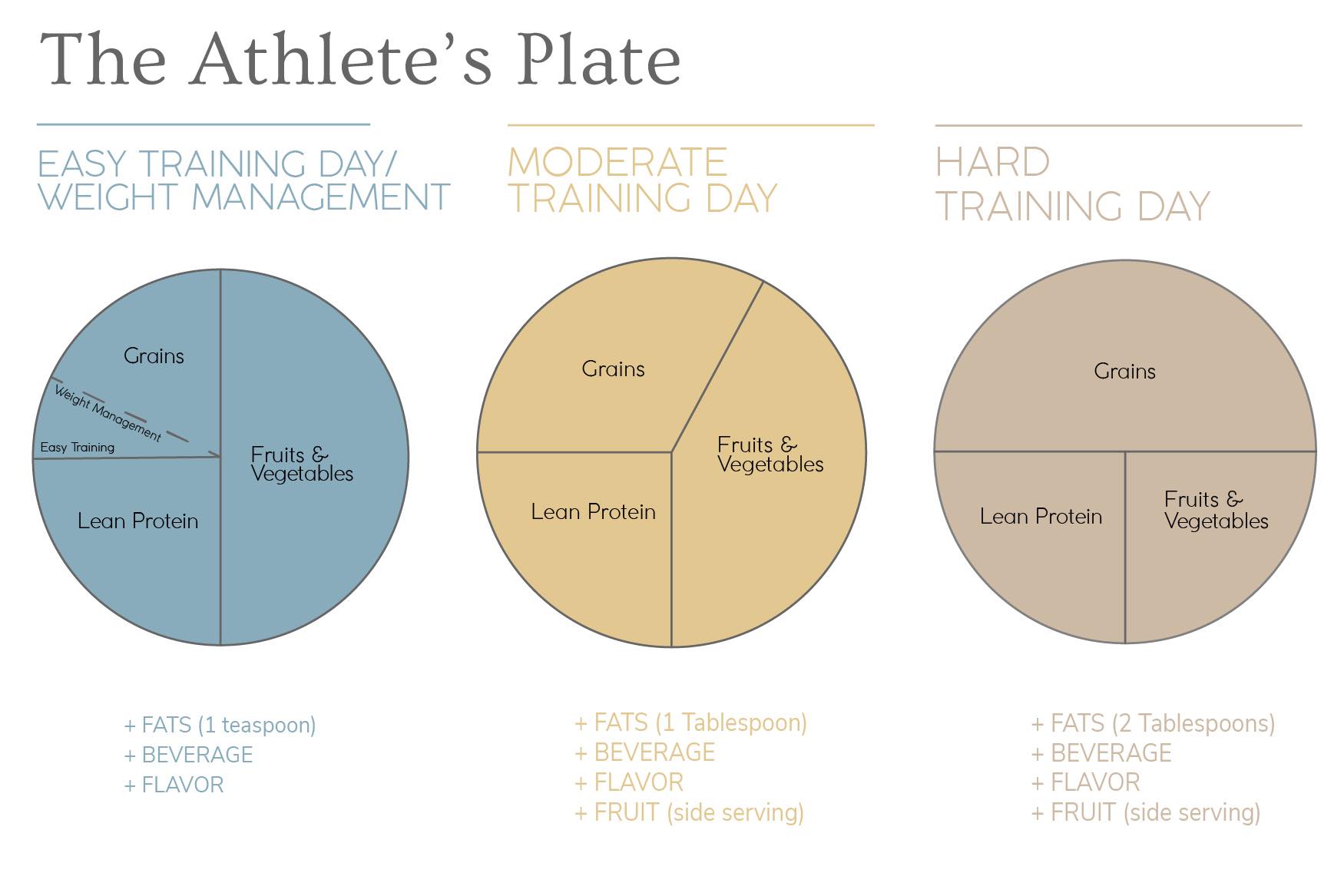
The “Lean & Toned” Goal
High volume, moderate protein, controlled calories.
Plate structure:
- ½ vegetables or fruit
- ¼ protein
- ¼ carbs
- Small fat source
Think: big salads, stir-fries, bowls.
The “Muscle Build” Goal
Caloric surplus with performance carbs.
Plate structure:
- ⅓ protein
- ⅓ carbs
- ⅓ vegetables
- Fat added intentionally
Think: rice bowls, pasta, loaded breakfasts.
The “Endurance” Goal
Carbs are king, electrolytes are critical.
Plate structure:
- 40–55% carbs
- Lean protein
- Moderate fats
Think: grain-heavy meals, fruit, salt, hydration focus.
Macro-Ratio Cheat Sheet
| Fitness Type | Protein | Carbs | Fats |
|---|---|---|---|
| Lean & Toned | 30% | 35% | 35% |
| Muscle Build | 25% | 45% | 30% |
| Endurance | 20% | 55% | 25% |
The “Lazy” Fitness Chef: Meal Prep Without the Burnout
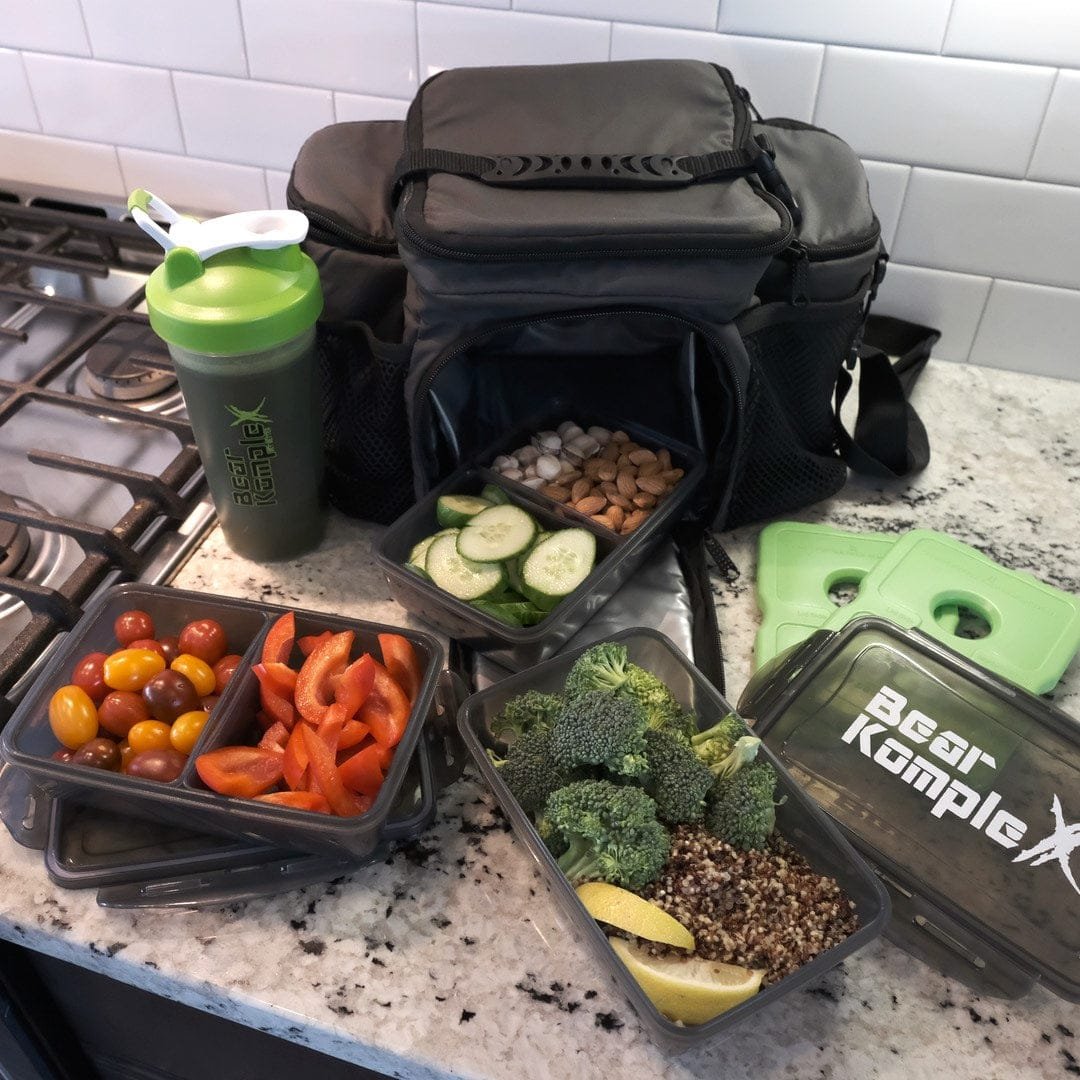
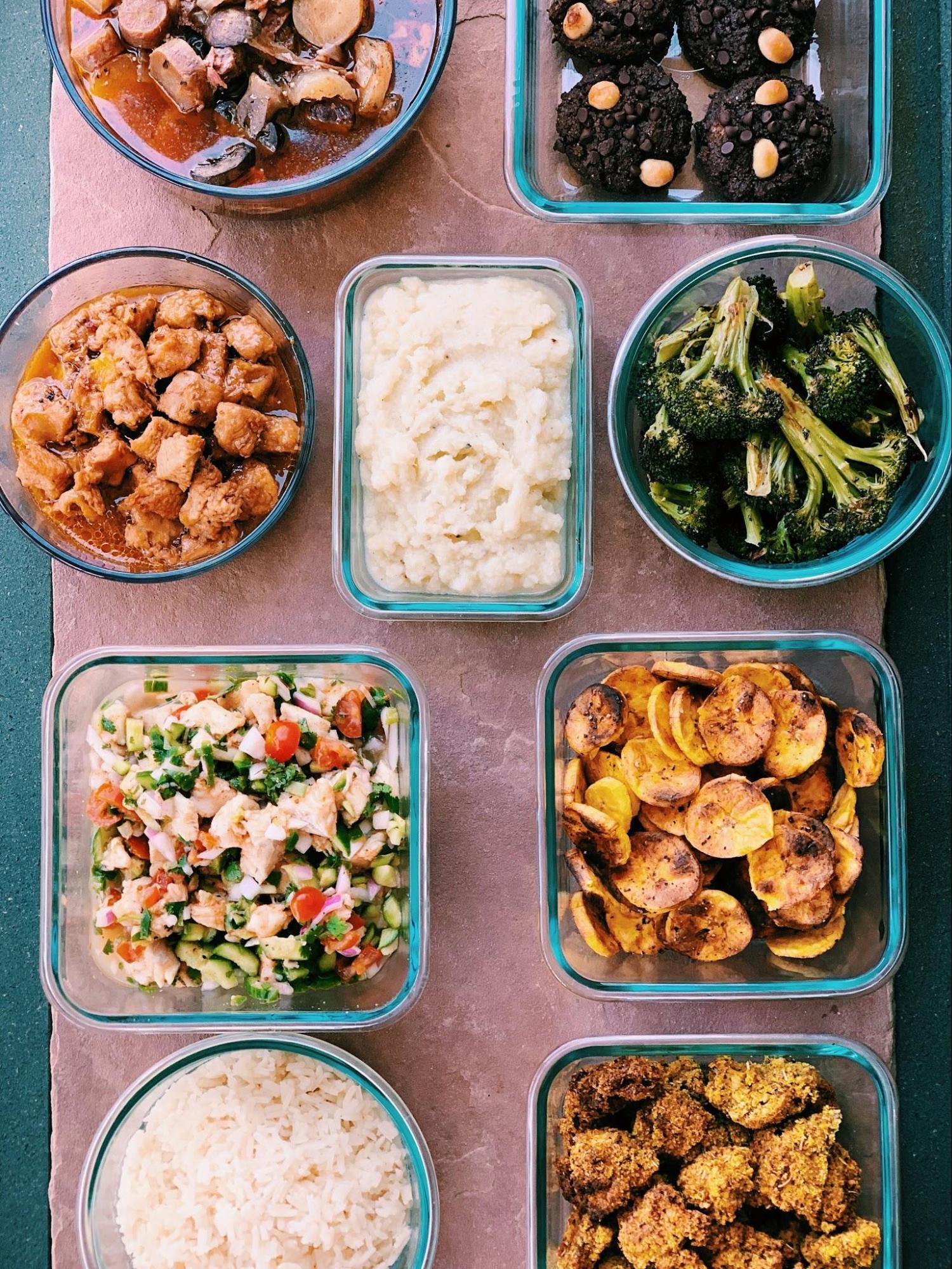

- Buffet-Style Prep: Cook proteins, carbs, and veggies separately. Mix and match all week.
- One-Pan Roasts: Protein + veggies + oil + spices = minimal cleanup.
- Slow Cooker Proteins: Shredded chicken or lentils for days.
- Frozen Veggie Power: Nutrient-dense and zero prep.
- Breakfast on Repeat: Same high-protein breakfast saves decision fatigue.
- 15-Minute Rule: If a meal takes longer on a weekday, it’s not sustainable.
- Flavor Hacks: Sauces, citrus, herbs > complicated recipes.
Pro Tip: Consistency beats creativity. Rotate flavors, not structure.
Micronutrients & Inflammation: The Recovery Edge
Macros build the engine. Micronutrients keep it running.
Key recovery nutrients:
- Omega-3s: Reduce inflammation (fatty fish, flax)
- Magnesium: Sleep, muscle relaxation (leafy greens, nuts)
- Antioxidants: Combat training stress (berries, dark chocolate)
- Potassium & Sodium: Electrolyte balance, especially for endurance athletes
Pro Tip: Chronic soreness is often under-fueling, not overtraining.
7-Day “Fitness Plate” Inspiration (By Goal)
Lean & Toned
- Breakfast: Greek yogurt, berries, seeds
- Lunch: Chicken salad with quinoa
- Dinner: Salmon, roasted veggies, olive oil
Muscle Build
- Breakfast: Eggs, oats, fruit
- Lunch: Rice bowl with beef or tofu
- Dinner: Pasta, chicken, vegetables
Endurance
- Breakfast: Oats with banana and honey
- Lunch: Lentil curry with rice
- Dinner: Potatoes, fish, greens
Rotate flavors, keep portions goal-specific.
This is how you stop chasing “healthy foods” and start building healthy fitness meals that actually work. Build the plate. Fuel the work. Recover hard. Repeat.