Blue Zones and Modern Medicine
Across the world’s Blue Zones—regions where people live longer, healthier lives—one dietary pattern appears again and again: the Mediterranean lifestyle. From coastal Greece to southern Italy, this way of eating is strongly associated with exceptional cardiovascular health, low rates of chronic disease, and sustained vitality into old age. Modern clinical research confirms what these cultures have practiced for generations: a Mediterranean diet rich in whole foods, healthy fats, and plant-forward meals is one of the most effective, doctor-approved strategies for longevity.
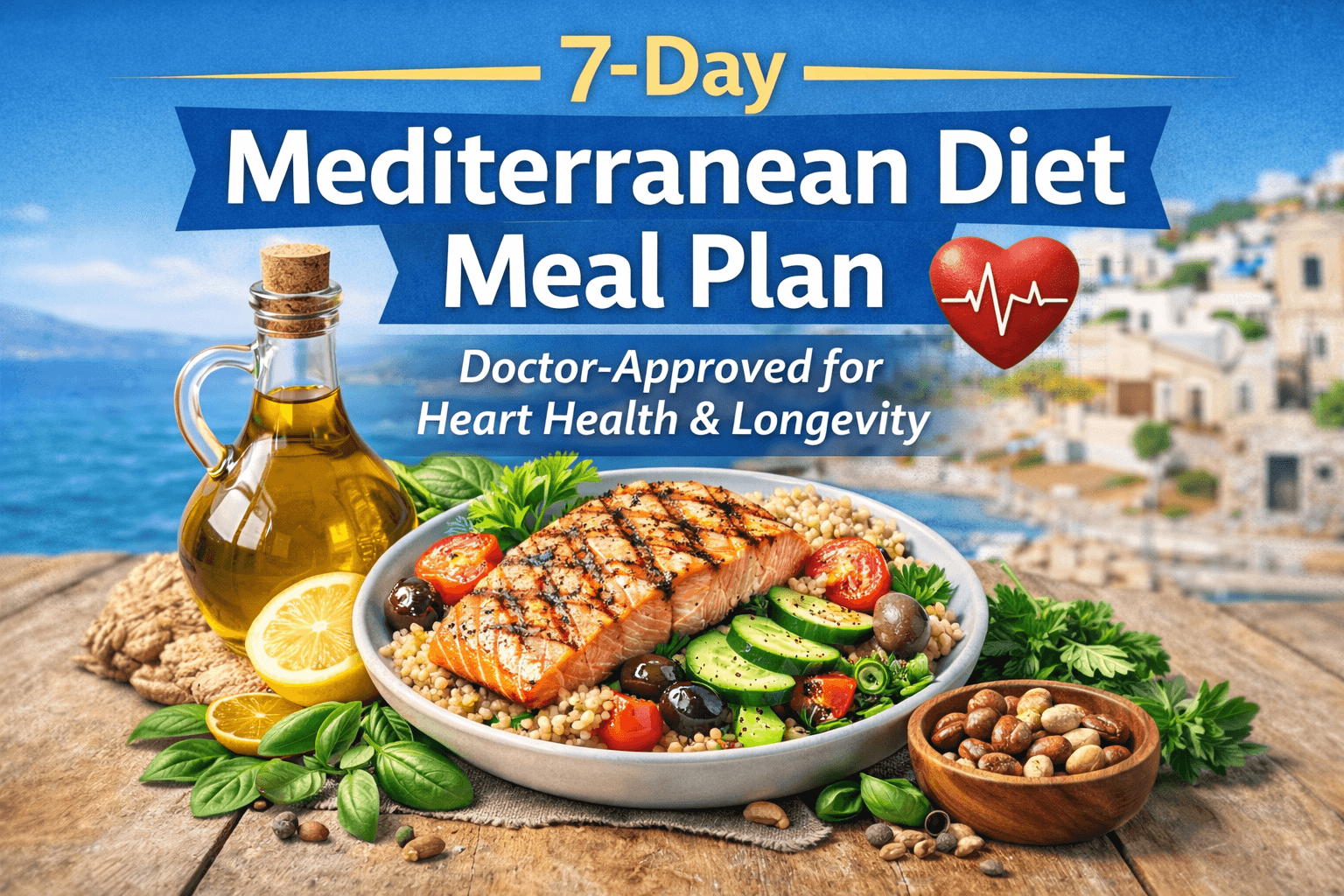
Unlike restrictive diets, this approach focuses on nourishment, balance, and enjoyment. It supports heart health, functions as a powerful anti-inflammatory diet, and is increasingly used in medical weight loss and preventive care programs. This guide brings together nutritional science, practical planning, and professional nutritional coaching principles into a clear, actionable 7-day meal plan you can start today.
The Science of the Mediterranean Lifestyle
Why It Protects Cardiovascular Health
The Mediterranean diet consistently reduces risk factors for heart disease. Clinical studies show improvements in cholesterol ratios, blood pressure, and endothelial function when people replace processed foods with olive oil, vegetables, legumes, and fish. Central to these benefits are extra virgin olive oil benefits, including its high polyphenol content, which reduces oxidative stress and inflammation in blood vessels.
Key mechanisms include:
- Increased HDL (good cholesterol)
- Reduced LDL oxidation
- Improved arterial flexibility
- Lower systemic inflammation
Together, these effects make the Mediterranean lifestyle one of the most recommended dietary patterns by cardiologists worldwide.
Anti-Inflammatory Diet and Metabolic Health
Chronic inflammation underlies conditions such as diabetes, obesity, and autoimmune disease. The Mediterranean diet naturally suppresses inflammatory pathways through:
- Omega-3 fatty acids from fish and walnuts
- Antioxidants from fruits, vegetables, herbs, and spices
- Fiber-rich plant-based proteins that support gut health
This anti-inflammatory profile improves insulin sensitivity, supports metabolic health, and promotes sustainable fat loss without muscle depletion—an important consideration in long-term medical weight loss.
Weight Management Without Restriction
Unlike calorie-focused diets, the Mediterranean approach emphasizes satiety and nutrient density. Healthy fats slow digestion, fiber stabilizes blood sugar, and adequate protein preserves lean mass. Many clinicians now integrate this pattern into structured nutritional coaching programs because it encourages consistency, not deprivation.
Essential Pantry Staples
A Mediterranean kitchen is simple, flexible, and nutrient-dense. Stocking the right staples makes healthy choices effortless.
Healthy Fats
- Extra virgin olive oil (primary fat source)
- Olives and avocado
Benefits include reduced inflammation, improved lipid profiles, and enhanced nutrient absorption.
Plant-Based Proteins
- Lentils, chickpeas, beans
- Nuts and seeds
These provide fiber, minerals, and steady energy while supporting gut and heart health.
Lean Proteins
- Fatty fish (salmon, sardines, mackerel)
- Eggs and moderate poultry
Fish supplies omega-3s essential for brain and heart protection.
Whole Grains
- Quinoa, farro, brown rice, oats
Whole grains improve glycemic control and digestive health.
Produce and Flavor Builders
- Leafy greens, tomatoes, peppers, onions
- Garlic, herbs, spices
These deliver antioxidants that support immune and vascular health.
The Complete 7-Day Meal Plan
Day 1
Breakfast: Greek yogurt with berries and walnuts
Lunch: Chickpea, cucumber, and tomato salad with olive oil
Dinner: Grilled salmon with quinoa and roasted vegetables
Snack: Apple with almonds
Health Hack: Add walnuts to boost omega-3 intake and reduce inflammation.
Day 2
Breakfast: Whole-grain toast with avocado and olive oil
Lunch: Lentil soup with mixed greens
Dinner: Herb-roasted chicken with brown rice and broccoli
Snack: Hummus with carrots
Health Hack: Drizzle olive oil after cooking to preserve antioxidants.
Day 3
Breakfast: Oatmeal with figs and chia seeds
Lunch: Tuna salad with olive oil, lemon, and greens
Dinner: Vegetable stir-fry with chickpeas
Snack: Greek yogurt
Health Hack: Pair vitamin C–rich vegetables with legumes to improve iron absorption.
Day 4
Breakfast: Smoothie with spinach, banana, yogurt, and olive oil
Lunch: Quinoa bowl with roasted vegetables and feta
Dinner: Baked fish with sweet potatoes
Snack: Mixed nuts
Health Hack: Include olive oil in smoothies to enhance fat-soluble nutrient uptake.
Day 5
Breakfast: Eggs with sautéed vegetables
Lunch: Mediterranean bean salad
Dinner: Whole-grain pasta with garlic, olive oil, and vegetables
Snack: Fresh fruit
Health Hack: Keep pasta portions moderate and emphasize vegetables for glycemic control.
Day 6
Breakfast: Yogurt with honey and seeds
Lunch: Leftover pasta with greens
Dinner: Baked turkey with lentils and vegetables
Snack: Olives and nuts
Health Hack: Combine animal and plant proteins to improve amino acid balance.
Day 7
Breakfast: Whole-grain toast with nut butter
Lunch: Grilled vegetable wrap with hummus
Dinner: Seafood stew with vegetables
Snack: Dark chocolate (small portion)
Health Hack: Choose dark chocolate with high cocoa content for antioxidant benefits.
Managing Type 2 Diabetes & Cholesterol
The Mediterranean diet is frequently recommended for individuals managing Type 2 diabetes and dyslipidemia. Its emphasis on fiber, healthy fats, and low-glycemic carbohydrates helps regulate blood sugar and reduce insulin resistance. Regular consumption of olive oil and fish improves lipid profiles, lowering triglycerides and LDL cholesterol while raising HDL.
For individuals with diabetes or elevated cholesterol, consistency matters more than perfection. Pairing this meal plan with professional nutritional coaching can further personalize carbohydrate timing, portion sizes, and protein intake to optimize outcomes.
Mediterranean Grocery List Checklist
Use this checklist to simplify shopping and stay consistent.
Healthy Fats
- Extra virgin olive oil
- Olives
- Nuts and seeds
Proteins
- Salmon, sardines, tuna
- Eggs
- Lentils, chickpeas, beans
Grains
- Quinoa
- Brown rice
- Whole-grain pasta and bread
Produce
- Leafy greens
- Tomatoes, peppers, onions
- Berries and citrus
Extras
- Greek yogurt
- Herbs and spices
- Dark chocolate
Frequently Asked Questions
Is wine allowed on the Mediterranean diet?
Yes, moderate red wine consumption is traditional, typically one small glass with meals. It is optional and should be avoided by individuals with medical contraindications.
Can this diet be budget-friendly?
Absolutely. Use dried beans, seasonal produce, frozen fish, and whole grains bought in bulk. These swaps maintain nutritional value while reducing cost.
Is this diet suitable for weight loss?
Yes. The Mediterranean diet supports gradual, sustainable medical weight loss by improving satiety, insulin sensitivity, and metabolic flexibility.
The Mediterranean diet is not a short-term plan but a lifelong strategy rooted in science, culture, and enjoyment. By prioritizing whole foods, healthy fats, and mindful habits, you support cardiovascular health, reduce inflammation, and create a foundation for long-term wellness. Start with this 7-day plan, adapt it to your preferences, and allow this doctor-approved lifestyle to guide you toward a longer, healthier life.